Why Copper Recycling Matters for Construction and Commercial Projects
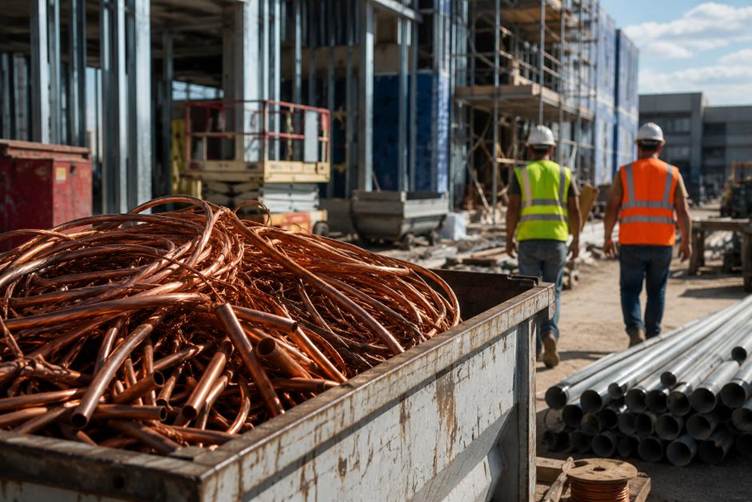
Copper recycling is an important part of responsible material management for construction companies, contractors, manufacturers, warehouses, and other commercial businesses. Copper is commonly used in electrical wiring, plumbing systems, HVAC equipment, and building components, so construction and commercial projects can generate significant amounts of copper scrap.
Instead of sending these materials to general waste streams, businesses can separate recyclable copper and work with a professional recycling provider. This helps keep valuable materials in circulation while supporting more-efficient scrap management.
Why Is Copper Common in Construction and Commercial Projects?
Copper is widely used because of its useful properties and versatility. Electrical systems commonly contain copper wiring, while plumbing and HVAC projects may involve copper pipes and tubing.
During construction, renovation, demolition, maintenance, and equipment replacement, these materials can become scrap. The amount of copper generated depends on the type and size of the project.
Common sources of copper scrap include:
- Electrical wiring
- Copper pipes
- Plumbing fittings
- HVAC tubing
- Electrical components
- Construction materials
- Equipment and machinery
- Renovation scrap
Identifying these materials early can help businesses create a more organized recycling process.
What Construction Projects Generate Copper Scrap?
Several types of construction and renovation projects can generate recyclable copper. Electrical installations may produce leftover wiring or removed electrical components. Plumbing projects can generate copper pipes and fittings, while HVAC work may produce copper tubing and other components.
Demolition and renovation projects can also uncover copper materials that were previously installed in buildings.
Contractors can benefit from establishing a designated collection area for recyclable copper. This helps keep copper separate from general construction debris and makes it easier to transport materials for recycling.
How Does Copper Recycling Help Contractors?
For contractors, managing scrap efficiently can help keep jobsites organized. Construction projects often involve multiple materials, and mixing recyclable metals with general waste can make material recovery more difficult.
A dedicated copper collection process allows crews to separate recyclable materials as work progresses.
Contractors can:
- Collect copper separately from general debris
- Designate areas for recyclable metal
- Organize materials before transportation
- Confirm accepted materials with their recycling provider
- Establish a consistent recycling routine
These practices can make scrap management easier across construction and renovation projects.
Copper Recycling for Electrical Contractors
Electrical contractors can generate copper scrap from wiring installations, system upgrades, renovations, and repairs.
Copper wiring should be separated from general waste whenever possible. Depending on the type of wiring and its condition, preparation requirements may vary.
Electrical contractors who regularly generate copper can establish a routine for collecting and transporting recyclable materials to a recycling facility.
Copper Recycling for Plumbers

Plumbing projects can generate copper pipes, fittings, and other components during installation, repairs, and replacement work.
Instead of mixing these materials with general construction waste, plumbers can collect copper separately. This can help make the material easier to identify and prepare for recycling.
Before bringing plumbing scrap to a recycling facility, contractors should confirm which materials are accepted and whether any preparation is required.
Copper Recycling for HVAC Contractors
HVAC installation, maintenance, and replacement projects can generate copper tubing and other recyclable metal components.
When equipment is removed or replaced, contractors may encounter copper materials that can be separated from other project waste.
A consistent collection process can help HVAC professionals manage recyclable materials while keeping jobsites more organized.
Why Is Copper Recycling Important for Businesses?
Businesses can generate copper through facility maintenance, equipment replacement, remodeling, manufacturing, and other commercial activities.
Warehouses, manufacturers, commercial properties, and service businesses may accumulate copper over time. Without an organized recycling process, recyclable materials can become mixed with general waste.
Copper recycling provides businesses with a practical way to manage these materials and turn this scrap metal into cash to offset the costs of a project while keeping this valuable metal in circulation.
What Are the Environmental Benefits of Copper Recycling?
Copper recycling helps conserve resources by allowing existing copper to be recovered and reused. Instead of treating recyclable copper as waste, businesses can help keep the material within the manufacturing supply chain.
Copper recycling can help:
- Reduce unnecessary waste
- Conserve natural resources
- Keep valuable materials in circulation
- Support responsible material management
- Reduce recyclable metals entering landfills
For construction and commercial businesses, these benefits can support broader sustainability and waste-management goals.
How Can Businesses Improve Copper Recycling?
Businesses that regularly generate copper can create a consistent process for collecting and storing recyclable materials.
A practical approach includes:
- Identify common sources of copper scrap
- Separate copper from general waste
- Train employees or crews on material separation
- Store recyclable copper in an organized area
- Confirm accepted materials with the recycling provider
- Establish a regular recycling routine based on project volume
This process can help businesses make copper recycling part of their normal operations.
Where Can Construction and Commercial Businesses Recycle Copper in Houston?
Businesses looking for copper recycling in Houston should consider the location, accepted materials, available services, and experience of the recycling company.
C&D Scrap Metal provides recycling solutions for contractors, businesses, and other commercial customers throughout the Houston area. Customers can contact C&D Scrap Metal to confirm accepted copper materials and learn more about available recycling options.
Why Choose C&D Scrap Metal?
C&D Scrap Metal has four convenient locations that help contractors and businesses manage recyclable copper and other scrap metals throughout the Houston area.
Whether copper comes from construction, electrical work, plumbing, HVAC projects, renovations, equipment replacement, or commercial operations, having a reliable recycling partner can make scrap management more convenient.
Businesses can contact C&D Scrap Metal to discuss their materials, recycling needs, and available services.
Recycle Copper With C&D Scrap Metal
Copper recycling provides construction companies, contractors, and commercial businesses with a practical way to manage valuable scrap while reducing unnecessary waste. Separating copper from general debris gives these materials an opportunity to be recovered and reused.
If your construction or commercial project generates copper wiring, pipes, HVAC materials, or other recyclable copper, C&D Scrap Metal can help you understand your recycling options.
Contact C&D Scrap Metal to learn more about copper recycling and to choose the right location near you in the Houston area.