Copper Recycling: What Copper Materials Can Be Recycled?
Copper recycling is a practical way for homeowners, contractors, and businesses to manage unwanted copper materials while keeping valuable metal in circulation. Copper is commonly used in electrical systems, plumbing, HVAC equipment, construction, manufacturing, and commercial applications, which means many different projects can generate recyclable copper scrap.
Understanding which copper materials can be recycled makes it easier to separate valuable materials from general waste and prepare them for recycling. C&D Scrap Metal provides recycling solutions for customers throughout the Houston area.
What Copper Materials Can Be Recycled?
Many common copper-containing materials can be recycled, depending on their condition, composition, and the recycling facility’s requirements.
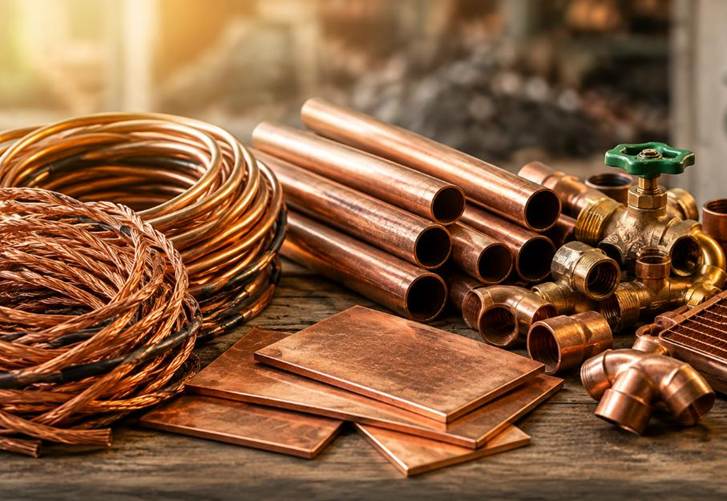
Common recyclable copper materials include:
- Copper electrical wiring
- Copper pipes
- Plumbing fittings
- HVAC copper tubing
- Electrical components
- Construction scrap
- Copper-containing equipment
- Copper from renovation projects
The exact materials accepted can vary, so customers should contact C&D Scrap Metal before visiting a recycling location to confirm current requirements.
Can Copper Wiring Be Recycled?

Yes, copper wiring is one of the most common sources of recyclable copper. Electrical contractors, homeowners, and businesses may generate copper wire during installations, renovations, repairs, and electrical system replacements.
When possible, copper wiring should be separated from general construction or household waste. Keeping recyclable materials organized can make collection and processing more efficient.
Because electrical wire may contain insulation or other materials, customers should confirm whether preparation is required before bringing it to a recycling facility.
Can Copper Pipes Be Recycled?
Copper pipes and plumbing components can also be recycled. Home renovations, plumbing repairs, commercial construction, and system replacements can generate copper pipe scrap.
Plumbers and contractors can collect removed copper pipes separately from other construction materials. This makes it easier to identify recyclable copper and helps prevent valuable metal from being mixed with general debris.
Copper fittings and other plumbing components may also be recyclable, depending on their composition and condition.
Can HVAC Copper Be Recycled?
HVAC projects can generate copper tubing and other metal components that may be suitable for recycling. When heating and cooling equipment is repaired, replaced, or removed, contractors may recover copper materials during the process.
Separating copper tubing and other recyclable metal components from general jobsite waste can help HVAC contractors manage materials more efficiently.
Before recycling HVAC materials, contractors should confirm which components are accepted and whether any preparation is required.
Can Construction Scrap Contain Recyclable Copper?
Yes. Construction and renovation projects can generate copper from several parts of a building. Electrical wiring, plumbing systems, HVAC installations, and other building components may contain copper.
Contractors can establish a designated collection area for copper at the jobsite. As work progresses, crews can place recyclable copper in the designated area instead of mixing it with general construction waste.
This simple process can help contractors maintain better material organization and prepare recyclable copper for transportation.
What Copper Materials Come From Businesses?
Businesses can generate copper scrap through maintenance, remodeling, equipment replacement, manufacturing, and regular facility operations.
Common commercial sources can include:
- Electrical wiring
- Plumbing components
- HVAC materials
- Equipment
- Machinery
- Construction and renovation scrap
- Manufacturing materials
Warehouses, manufacturers, commercial properties, and service businesses may accumulate copper over time. Establishing a consistent recycling routine can help businesses keep these materials separate from general waste.
How Should Copper Be Prepared for Recycling?
Proper preparation can help make copper recycling more organized. Customers should begin by separating copper materials from general waste whenever possible.
Before visiting a recycling facility, consider these steps:
- Collect copper materials in a designated area
- Separate copper from unrelated waste
- Remove unnecessary nonmetal materials when possible
- Keep different types of recyclable materials organized
- Confirm accepted materials with the recycling provider
Customers should not assume that every copper-containing item is accepted in the same way. Contacting C&D Scrap Metal before visiting can help customers understand current requirements.
Why Should You Recycle Copper?
Copper recycling helps conserve valuable resources by allowing existing copper to be recovered and reused. Instead of sending recyclable copper to a landfill, customers can help keep the material within the manufacturing supply chain.
Copper recycling can help:
- Reduce unnecessary waste
- Convert scrap metal into cash to increase project profits
- Conserve natural resources
- Keep valuable materials in circulation
- Support responsible material management
- Reduce the amount of recyclable metal sent to landfills
For contractors and businesses, recycling copper can also become part of a broader approach to managing construction, renovation, and commercial scrap.
Who Can Benefit from Copper Recycling?
Copper recycling can benefit a wide range of customers.
Homeowners
Homeowners may generate copper during plumbing repairs, electrical upgrades, remodeling, or HVAC replacement. Separating these materials can provide an alternative to placing them in general household waste.
Contractors
Electricians, plumbers, HVAC professionals, and general contractors can generate copper regularly. A consistent recycling process can help crews manage scrap more efficiently across different projects.
Businesses
Commercial properties, manufacturers, warehouses, and other businesses may accumulate copper through maintenance, equipment replacement, and facility improvements. A dedicated recycling process can help businesses manage these materials more responsibly.
Where Can You Recycle Copper in Houston?
Customers looking for copper recycling in Houston should consider factors such as accepted materials, convenient locations, available services, and the recycling company’s experience handling scrap metal.
C&D Scrap Metal provides recycling solutions for homeowners, contractors, and businesses throughout the Houston area. Customers can contact C&D Scrap Metal to confirm accepted copper materials and learn more about available recycling options.
Why Choose C&D Scrap Metal?
C&D Scrap Metal has four locations throughout the Houston area that help residential and commercial customers manage recyclable copper and other scrap metals.
Whether copper comes from an electrical project, plumbing repair, HVAC replacement, construction site, renovation, or commercial operation, working with an experienced recycling company can make material management easier.
Customers can contact C&D Scrap Metal to learn more about accepted materials and determine the most appropriate recycling option for their needs.
Recycle Copper With C&D Scrap Metal
Copper recycling gives homeowners, contractors, and businesses an opportunity to recover valuable materials instead of treating them as general waste. From copper wiring and plumbing pipes to HVAC tubing and construction scrap, many common materials can potentially be recycled.
If you have copper from a home renovation, construction project, electrical job, plumbing work, HVAC project, or commercial operation, C&D Scrap Metal can help you understand your recycling options.
Contact C&D Scrap Metal to learn more about copper recycling and to choose the right location near you in the Houston area.